
Preparing a furniture quotation brief for an architectural project
Comparable quotations begin with a consistent scope sent to every manufacturer. Missing dimensions or incomplete material notes force each supplier to make different assumptions.
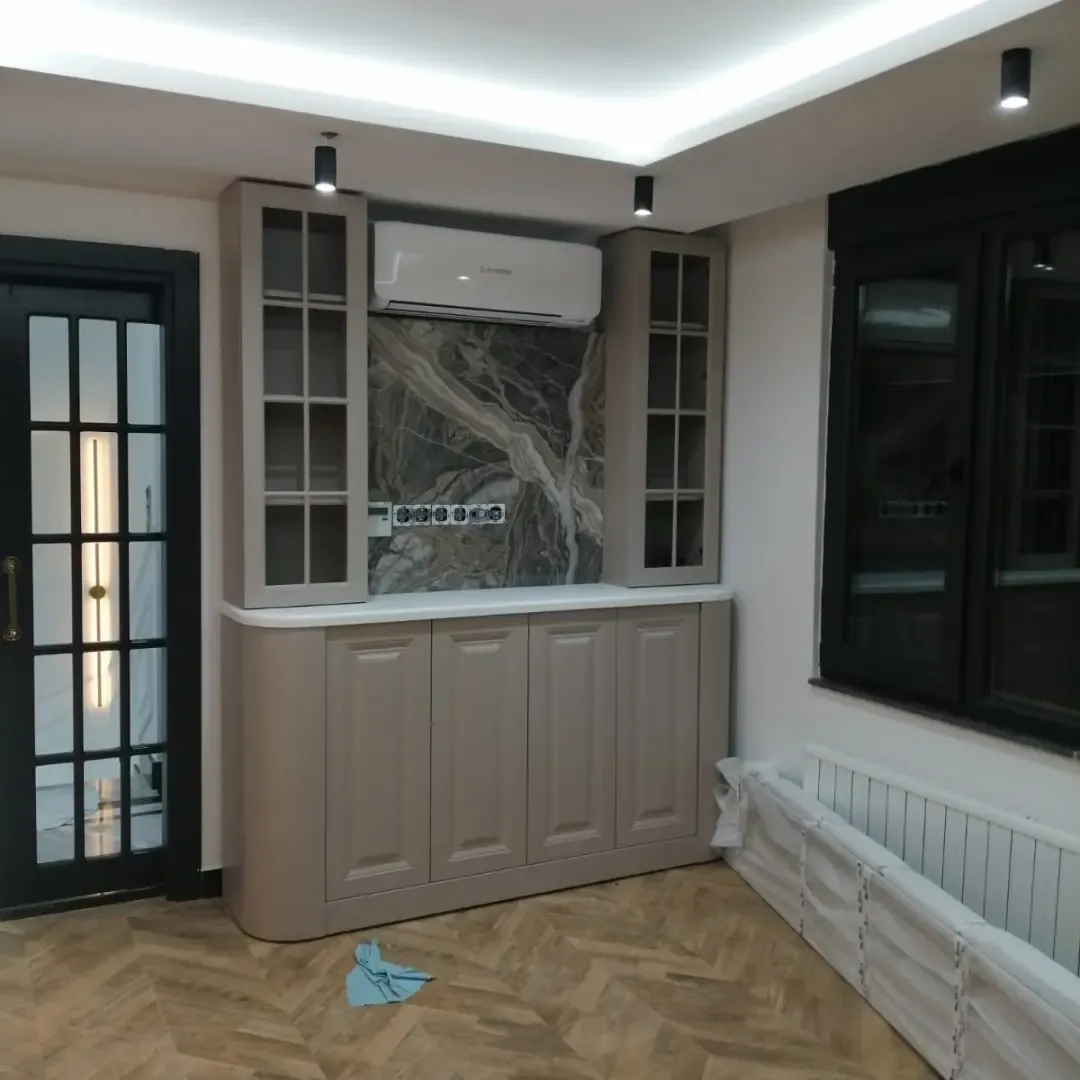
List items by room or zone
Give every furniture item a unique reference: reception counter, fitted shelving or bedroom wardrobe, for example. Record the floor, room, quantity and approximate dimensions together.
A single line for all fitted furniture makes both price and scope difficult to review.
Make drawing revisions visible
Plans, elevations and sections should show matching revision dates. Clearly marking changed dimensions or materials helps manufacturers understand exactly what they are pricing.
Measurements that must be verified on site should be flagged, and the approval process for production dimensions should be defined.
Describe materials precisely
Separate the carcass, visible doors, worktops, edges, handles and hardware. State a brand or performance requirement where needed and define the standard for an acceptable alternative.
Identify who approves physical samples and at what stage. This decision can affect the programme.
Include site and installation conditions
Delivery address, floor access, goods lift, working hours, site readiness and coordination with other trades may all change the scope.
Clarify responsibility for electrical, lighting, glass, metal and stone work rather than leaving these as assumptions.
Use a comparison schedule
Beyond unit price, review manufacturing time, delivery, installation, samples, revisions and exclusions. The lowest total is not a meaningful comparison when the scopes differ.
You can outline a project through LUVENSA’s corporate inquiry form; drawings and files can be exchanged after the initial conversation.
Made to measure.
Quoted for your brief.
A guide helps you prepare; the material choice, scope and price depend on your project’s details.
Contact LUVENSA